
21 September, is World Alzheimer’s Day. For Badisa, it is more than a date on the calendar. It is a reminder that behind every diagnosis is still a person, a family and a lifetime of stories.
A mother who may no longer remember the recipe she made every Sunday. A grandfather who tells you the same story for the fourth time, with exactly the same enthusiasm. A husband who may struggle to remember his wife’s name, but still reaches for her hand when she walks into the room.
Alzheimer’s changes many things. It does not change a person’s need to be seen, respected, understood and loved.
Alzheimer’s disease is the most common cause of dementia, but dementia itself is not a normal part of ageing. It can affect memory, thinking, behaviour, communication and a person’s ability to manage everyday life.
And this is exactly why we need to talk about it.
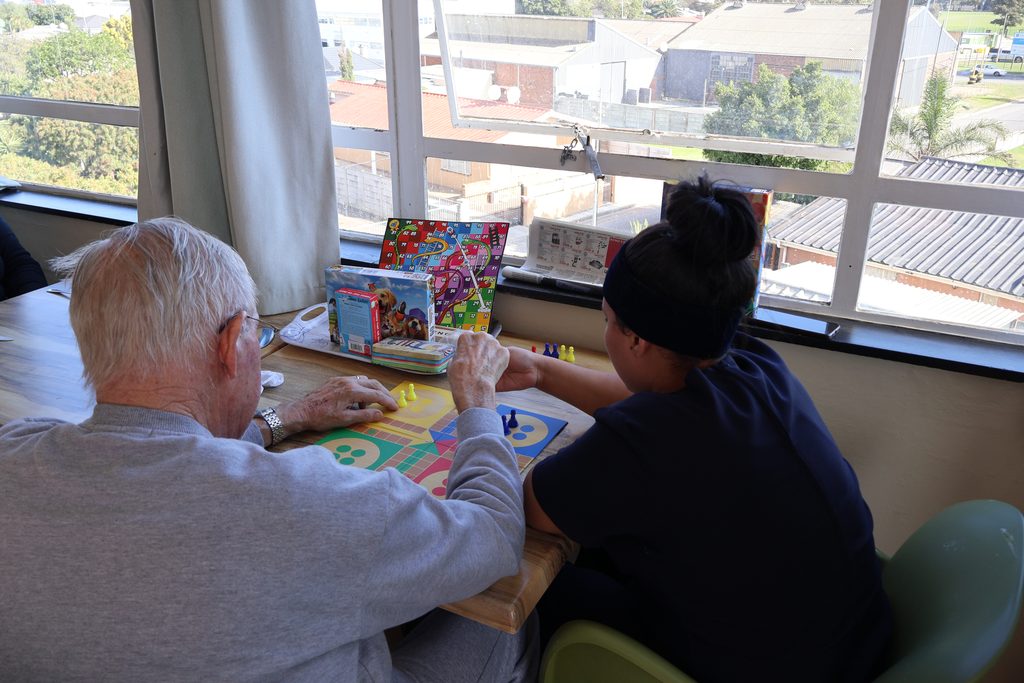
At Badisa, caring for older persons forms an important part of what we do. Across our residential facilities and services, our teams work with older persons and families navigating dementia and Alzheimer’s every day. Our focus is not simply on adding years to life, but on helping older people continue to experience quality of life, dignity and meaningful connection.
Sometimes that requires us to change the way we think about care.
Three weeks ago, Badisa hosted a two-day Dementia Conference in collaboration with Arjo, Feedem and the Association for Dementia and Alzheimer’s of South Africa (ADASA). The message that emerged strongly throughout the conference was simple but powerful:
Instead of constantly asking a person living with dementia to fit into our world, perhaps we need to become better at stepping into theirs.
That may mean changing how we communicate. It may mean adjusting a dining environment, the texture of food or even the utensils someone uses so they can continue eating as independently as possible. It may mean understanding why a certain behaviour is happening rather than simply trying to stop it.
And sometimes it means accepting that winning an argument about what day of the week it is really is not worth anyone’s blood pressure.
Good dementia care requires knowledge, but it also requires patience, creativity and a willingness to see the person before the condition.
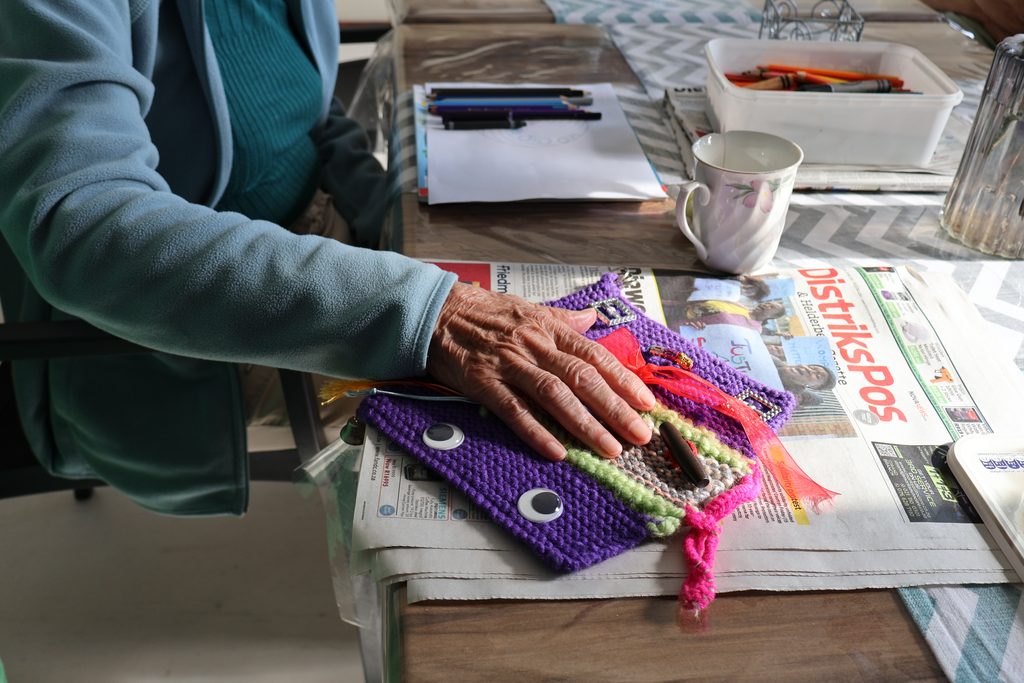
As Waldie Terblanche, one of Badisa’s Coordinators for Older Persons, puts it: “A person living with dementia may forget a name, a place or even what happened yesterday, but the need to feel safe, valued and loved does not disappear. Good dementia care starts when we stop focusing only on what a person has lost and begin recognising what is still there.”
The earlier we talk, the sooner we can support
One of the greatest barriers surrounding dementia remains stigma.
Families may notice changes but avoid talking about them. Someone may be frightened to admit that they are struggling with their memory. Others simply assume, “They are getting older, it is normal.”
But conversations matter.
Greater awareness can help families recognise changes sooner and encourage people to seek professional assessment and support earlier. A diagnosis can also help families better understand what is happening, plan for the future and access appropriate care and support.
Talking about dementia does not create dementia. Silence simply makes the journey lonelier.
That is why awareness initiatives at community level matter too.
Huis de Kuilen, a Badisa programme in Kuils River, together with other Badisa programmes, continues to create opportunities for families, caregivers and community members to learn more about Alzheimer’s and dementia, ask questions and better understand how to support those living with the condition.
- Dementia care also forms part of the specialised services offered across a number of Badisa programmes. Programmes with designated dementia units include:
- Huis Nuweland,
- Huis Groeneweide,
- Huis Mimosa,
- Huis JJ Watson,
- Hartenbos Versorgingsoord,
- Huis Lettie Theron,
- Loeriehof Tehuis vir Bejaardes,
- Huis de Kuilen,
- Huis Zonnekus,
- Huis Uitsig,
- Huis Martina,
- Plumrus,
- Droom (Tehuis Ou Meule & Tehuis Jan Lange),
- Rosebank House,
- Strand Care (Esperanza & PAM Brink),
- Huis AA Tomlinson,
- Monte Rosa,
- Vrederus Tehuis,
- Huis Wittekruin and
- Fynbos Service Centre/ Fynbospark.
These services reflect the growing need for care environments where people living with dementia can receive appropriate support while their dignity, independence and individual needs remain at the centre of care.
There may currently be no cure for dementia, but there is an enormous amount we can do.
We can learn. We can adapt. We can support families.
We can create environments that protect independence for as long as possible.
We can train caregivers to look beyond behaviour and ask what the person may be trying to communicate.
And, most importantly, we can continue treating every person living with dementia as exactly that: a person.
On World Alzheimer’s Day, Badisa encourages families to start the conversation.
Ask questions. Seek advice. Do not be embarrassed by memory concerns and do not dismiss persistent changes simply because someone is getting older.
The more openly we speak about Alzheimer’s and dementia, the more we chip away at fear and stigma.
Because even when memories begin to fade, dignity should never have to.