World Social Work Day will be celebrated on 17 March 2026 under the banner ‘Co-Building Hope and Harmony. A Harambee Call to Unite a Divided Society’. The focus highlights the role social work plays in bringing people together across communities and cultures to shape a more inclusive and sustainable tomorrow. Social workers say it reflects the realities they encounter while supporting families facing increasing pressure.
Struggles that often remain unseen
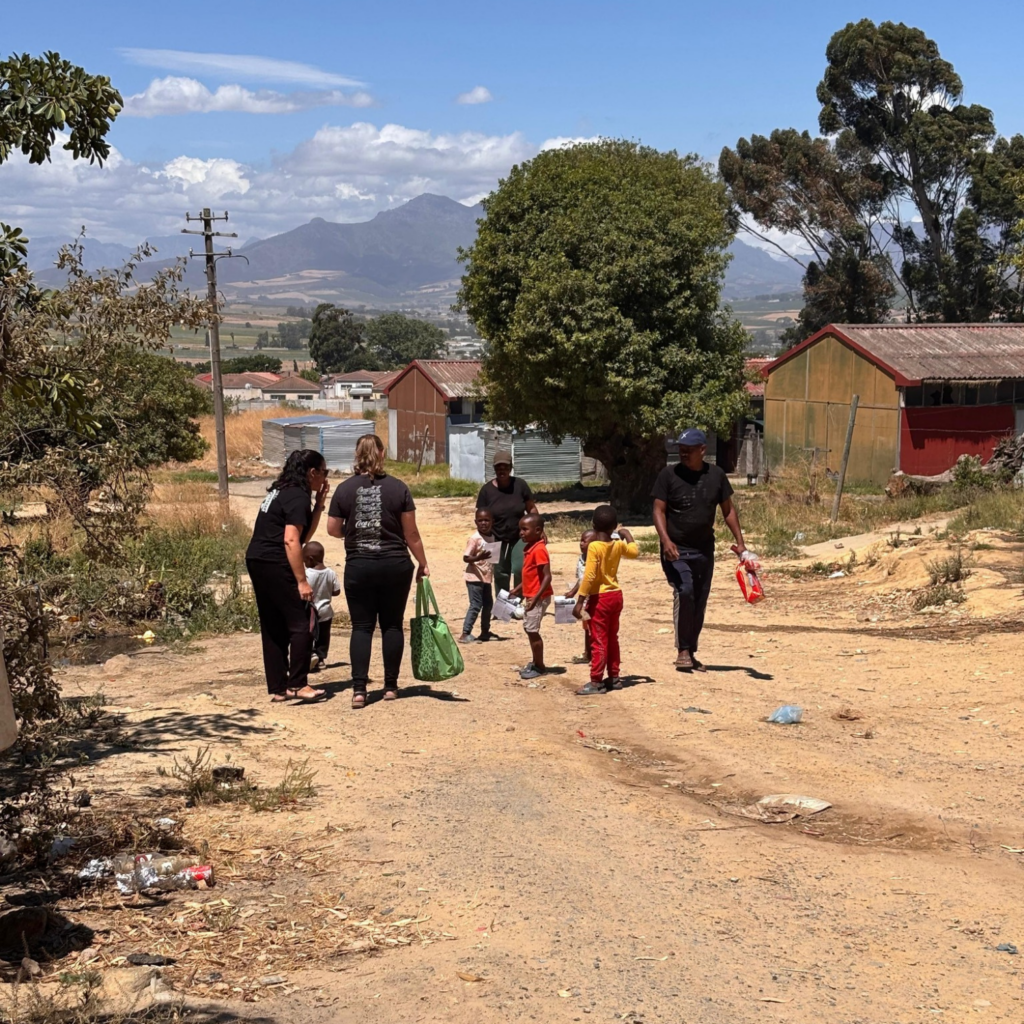
Says Cornelia Giliomee, a social worker at Badisa, “Many of the challenges people experience happen behind closed doors. We see children who are neglected because parents are overwhelmed by substance abuse, poverty, unemployment or unresolved trauma.” She says school absenteeism and behavioural problems among children are also becoming more common. Letitia Willemse, also a social worker at Badisa, says similar challenges are visible in the communities she serves. “Some hidden struggles in the community are mental health issues such as depression, anxiety, trauma and emotional distress due to unemployment, poverty, family conflict or exposure to violence,” says Willemse. Food insecurity is another concern she sees regularly. “Due to high food prices in a low-income community, people struggle to afford food.”
More people are reaching out for support
Both social workers say they have noticed changes in the people seeking help. Says Giliomee, “We see more people asking for help who would previously have tried to get through difficult times on their own. Economic pressure, parenting challenges and emotional strain play a role.” Willemse says social services were previously accessed mainly by people experiencing severe poverty. “Today the middle-income group also reaches out for social services due to rising living costs and financial instability.” According to her, the financial pressure many families face means that people who once managed on their own are now seeking support.
Understanding the role of social workers
“One of the biggest misunderstandings is that social workers are only there to remove children from homes,” says Giliomee. “Our first priority is to support and strengthen families so that children can remain safely with their own families where possible.” She continues, “A lot of our work is about counselling, guidance, conflict management and connecting families with resources. Awareness and early intervention services are very important and removal from parental care is always the last option.” Willemse adds, “Our role is to listen, understand their circumstances and access the resources and support the client needs. We advocate, empower and protect.”

Resources that could make a difference
Both social workers say stronger support structures could help address many of the challenges families face. Says Giliomee, “Substance abuse plays a role in many of the problems we see, from child neglect to family conflict. Many vulnerable children need safe, stable care and support. If stronger structures and resources existed to protect and care for these children it could make a big difference to their future.”
The emotional impact of the work
Supporting families during difficult circumstances can also affect social workers personally. “The work can be emotionally heavy because you often meet people at their most vulnerable. You cannot remain untouched by some of the stories,” says Giliomee. She says spending time outdoors helps her manage the emotional demands of the work. Walking, hiking, running and cycling help her process experiences and deal with stress. Support from colleagues also helps her stay motivated. Willemse says the experiences within communities can sometimes lead to feelings of helplessness or sadness. “To prevent burnout I focus on personal wellbeing, spending time with family and sometimes getting away for a weekend,” she says. She also values peer support when dealing with difficult cases.
Communities working together
The theme for World Social Work Day draws on the African concept of Harambee, which refers to people pulling together to support one another. Giliomee says she saw this clearly during the COVID pandemic when churches, local businesses and residents worked together to support families in need. For Giliomee, this reflected the meaning of Harambee. “People pulled together and carried one another.” Willemse also recalls a case where community leaders intervened after a young boy was physically abused. “The criminal process was delayed, but community leaders stepped in and the perpetrator was arrested and remains in custody,” she says.
How people can help
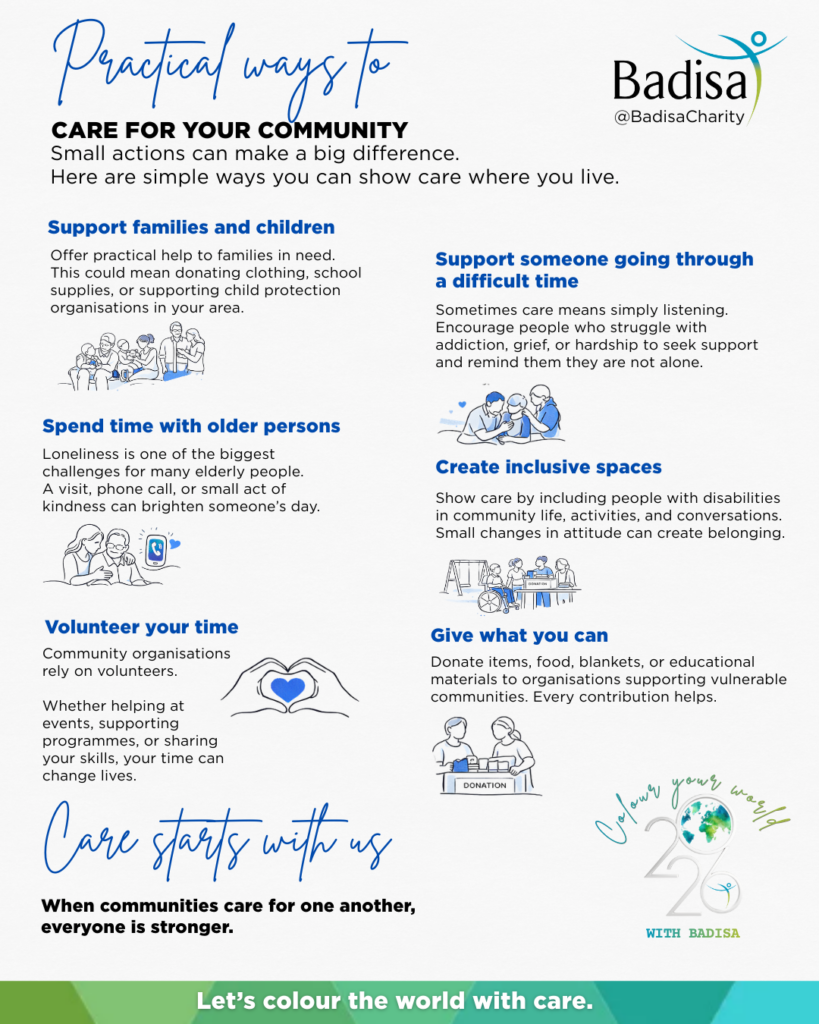
Both social workers say communities can play an important role in supporting families. “One of the simplest ways to help is to notice when someone is struggling and show care. This can be something small such as looking out for a neighbour’s child, encouraging a young person, being a mentor or listening to a parent who is struggling,” says Giliomee. She also encourages people to become involved in community initiatives as volunteers. Willemse says involvement and responsibility are important. “Report. Be involved. Take ownership,” she says. “Then we will win together.”